Find parts that fit your vehicle

Select your vehicle in the Part Finder at the top of the page and we'll show the parts listed for it.

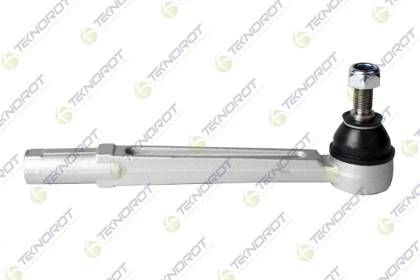
Tie Rod Ends

1 product

About Tie Rod Ends

Tie rod ends link your steering to the wheels. When they wear, you may notice loose or vague steering, knocking over bumps or uneven wear on the edges of your tyres.

Our range includes tie rod ends from brands including 555. Select your vehicle at the top of the page to see parts that fit. Inner tie rods are often called rack ends. Always get a wheel alignment after replacing steering parts. Questions? Call us on 02 9413 3166.
  • Price Match Promise

    Found it cheaper? Show us and it's off the table.

    Learn More
  • Family Owned & Operated

    Two generations, since 1980. We stand behind every part we sell.

    About Us
  • Click & Collect

    In stock and ready today on most parts. Order it, grab it, get back to it.

    Learn More
  • Fitted by Qualified Techs

    Not keen on fitting it yourself? Our team will sort it, properly.

    Learn More
1 of 4

Tie Rod Ends FAQs

What are the signs of bad tie rod ends?

Common signs include loose or vague steering, a clunk when turning, the steering wheel being off centre, and uneven wear on the inner or outer edge of the front tyres.

What does a tie rod end do?

The tie rod end connects the steering rack to the steering knuckle. It transfers the steering movement to the wheel while allowing the suspension to move.

Do I need a wheel alignment after replacing a tie rod end?

Yes. Tie rod ends set the toe of the wheels, so replacing one changes the alignment. Get an alignment straight afterwards to avoid rapid tyre wear.

What's the difference between an inner and outer tie rod?

The outer tie rod end connects to the wheel's steering knuckle. The inner tie rod, often called a rack end, connects to the steering rack inside the rubber boot. Both wear and can cause loose steering.

Should I replace both tie rod ends at the same time?

It's common practice, as both sides wear at a similar rate. Either way, an alignment is needed afterwards.